Application Guides
Ethanol for Flexographic & Gravure Printing Ink Manufacturing
Solvent-based flexographic and gravure inks depend on fast, predictable evaporation. Ethanol is one of the most widely used solvents in these systems, especially for packaging. This guide covers what ink manufacturers and converters should consider when sourcing it.
Krivaana Editorial Team · Updated 8 October 2026 · 3 min read
Role of ethanol as a solvent and co-solvent
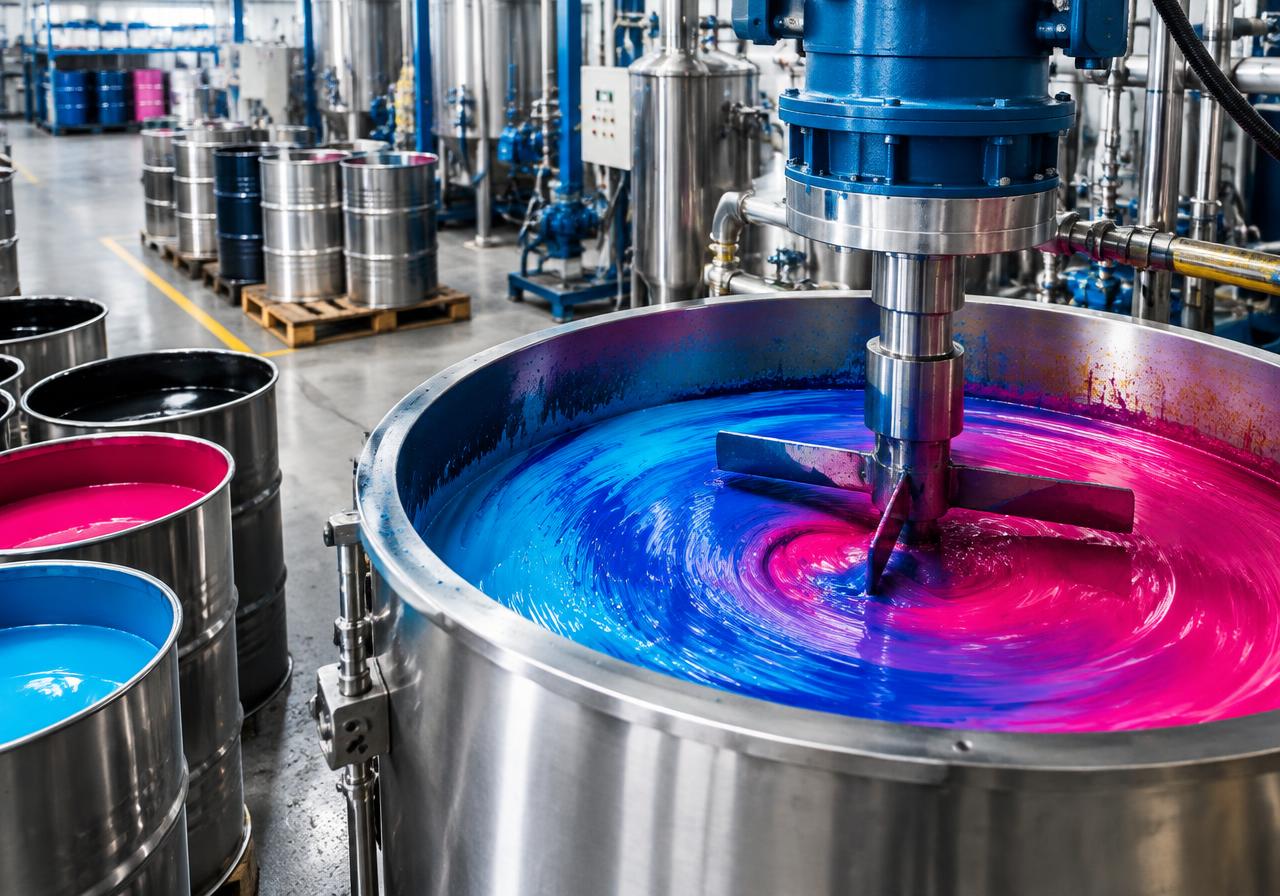
In solvent-based printing inks, ethanol dissolves the resin binder, controls viscosity and evaporates quickly so the ink dries on the press. It is often blended with other solvents chosen by the ink formulator to tune drying speed and print quality.
Ink manufacturers use ethanol in the ink itself and as a press-side diluent for viscosity adjustment. The blend ratio and co-solvents are part of each manufacturer's own formulation.
Flexographic printing
Flexo is widely used for flexible packaging, labels and films. Solvent-based flexo inks need quick drying between stations, and ethanol's evaporation rate is a key reason it is used. Consistent solvent quality helps keep viscosity and drying behaviour stable across long runs.
Gravure printing
Gravure, used for high-volume packaging and decorative printing, transfers ink from engraved cells. Solvent consistency affects how ink releases from the cells and dries. Gravure converters also typically consume solvent at higher volumes, so supply continuity matters.
Why consistency matters
- Water content variation can affect resin solubility and print finish
- Residual odour can matter for food-packaging applications
- Strength variation changes how much diluent is needed on press
- Unexpected impurities can affect drying or adhesion
Purity, specification and your formulation
The right grade depends on the ink system and the buyer's approved specification. Buyers commonly evaluate ethanol for printing inks, industrial grade ethanol or denatured grades where permitted. Your technical team should confirm compatibility with the resin system and any end-use requirements, for example for food-contact packaging. Applicable requirements should be confirmed for the specific grade, use and destination.
More on the sector: Printing Ink industry page.
Batch-to-batch consistency and COA review
Agree the parameters that matter for your process — typically strength, water, appearance and any impurity limits you control — and check each batch COA against them. Our COA reading guide and Quality & Documentation page explain the review.
Drum, barrel and higher-volume procurement
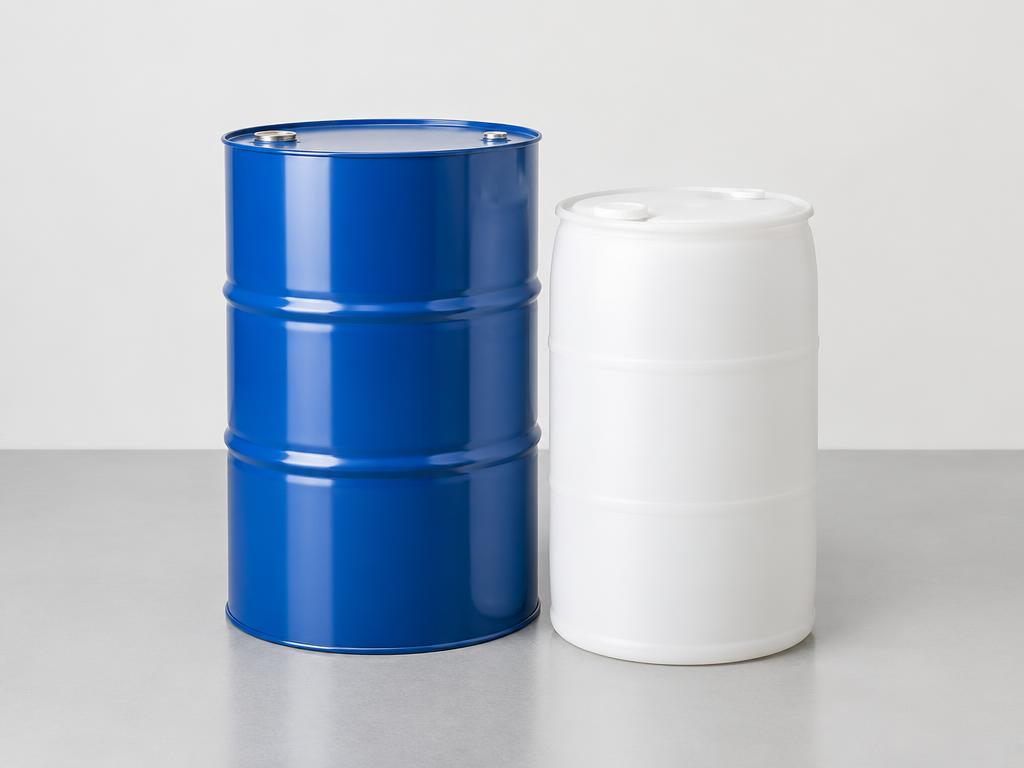
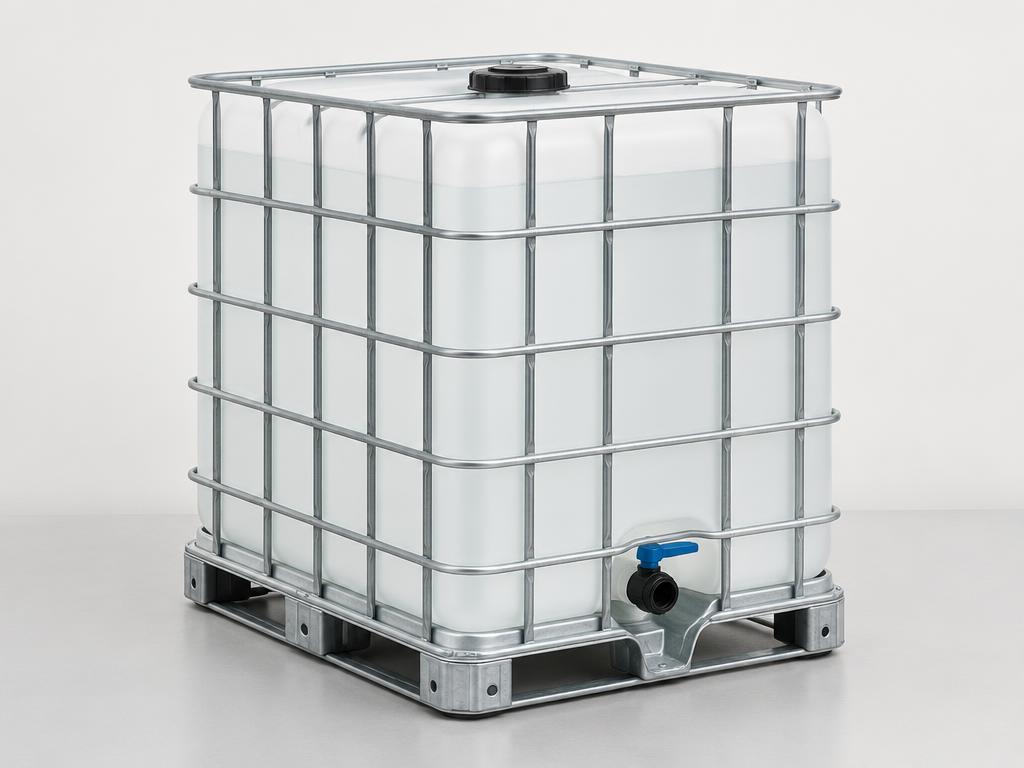
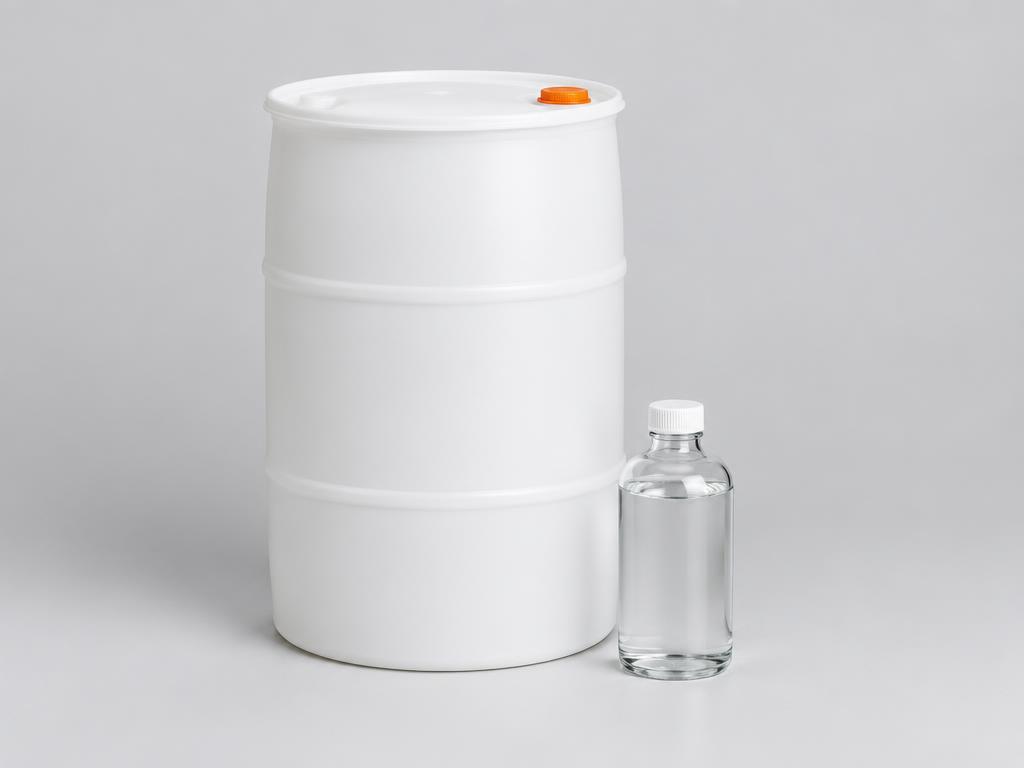
Smaller ink plants usually buy in barrels or drums. High-consumption gravure and converter operations may move to scheduled bulk supply where they have suitable storage. See Stock & Logistics and barrels vs bulk tanker.
How to request a quote
- Grade and required strength
- Ink type (flexo / gravure) and end use
- Quantity per order and monthly requirement
- Packaging preference
- Delivery city
This guide is general procurement information from Krivaana Industries LLP, an ethanol supplier. It is not a regulatory, laboratory or legal opinion. Applicable requirements should be confirmed for the specific grade, use and destination.