Application Guides
Ethanol for Perfume Manufacturing: Which Grade Should You Choose?
Ethanol is usually the largest single ingredient by volume in an alcohol-based fragrance, so the grade you buy directly affects odour, clarity and compliance. This guide explains the options fragrance buyers typically evaluate and what to check before approving a supply source.
Krivaana Editorial Team · Updated 8 October 2026 · 3 min read
What role does ethanol play in perfume manufacturing?
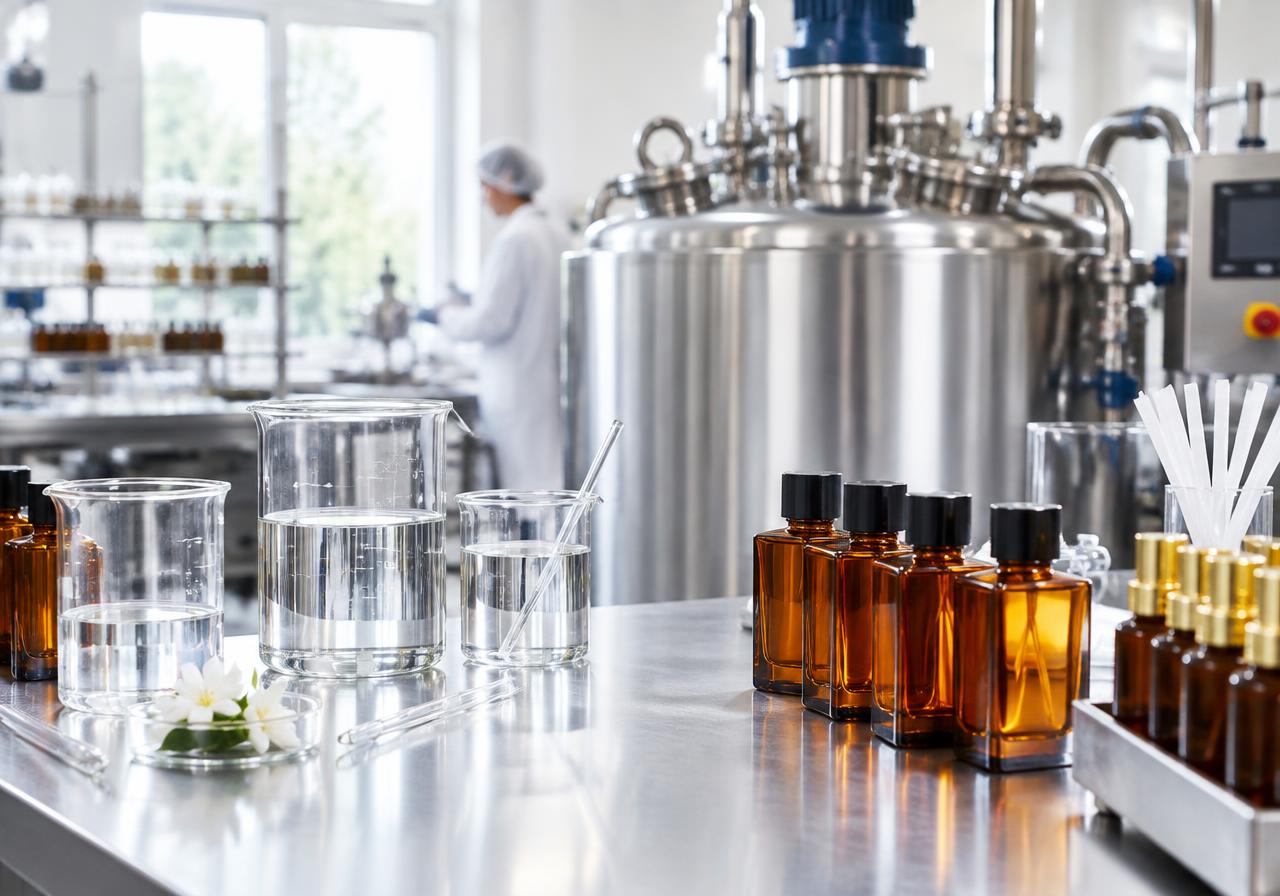
In alcohol-based perfumes, ethanol is the carrier: it dissolves the fragrance concentrate, keeps the solution clear and evaporates on the skin to release the scent. Because it makes up most of the finished liquid, any off-odour or impurity in the ethanol can show in the final product.
Ethanol is used across eau de parfum, eau de toilette, body mists, deodorant sprays and other alcohol-based fragrance formulations. Its volatility, solvency for aroma chemicals and essential oils, and relatively neutral odour are the reasons it is the standard carrier. See our Perfume & Fragrance industry page for the wider range of fragrance applications we supply.
Why purity and odour characteristics matter
Two ethanol lots can show similar strength yet smell different. Trace congeners, residual by-products or denaturants can add harsh, sweet or chemical notes that compete with the fragrance. Water content affects clarity and the solubility of some oils, which can cause haze.
- Strength / assay — affects solubility and dilution calculations
- Odour — a critical attribute for fine fragrance
- Clarity and appearance — no haze, particles or colour
- Denaturant type, if denatured — must be compatible with the formulation and use
- Batch-to-batch consistency — so an approved formula behaves the same on every production run
Ethanol 99.9% for fragrance applications
High-purity, low-water ethanol such as Ethanol 99.9% is evaluated by buyers who want minimal water and a clean base for dilution with their own water phase. Its suitability still depends on the batch odour profile and on whether the buyer's use and regulatory position allow undenatured ethanol.
ENA and other alcohol specifications
Extra Neutral Alcohol (ENA) is a highly rectified alcohol (commonly around 96% strength) refined for a neutral odour and taste. Some fragrance houses specify ENA because of its odour neutrality. Dedicated perfume grade ethanol offerings are also evaluated on the same basis: odour, clarity and documented specification.
Denatured and specially denatured ethanol
Many cosmetic and fragrance manufacturers use denatured ethanol, where a permitted denaturant is added according to the applicable requirement. Special Denatured Spirit (SDS) 95% and Special Denatured Ethanol for Perfume 96% are examples buyers ask about.
Denaturant type and composition vary by specification and applicable requirement. Confirm that the denaturant in the offered batch is compatible with your formulation and permitted for your intended use. Applicable requirements should be confirmed for the specific grade, use and destination.
Why there is no single grade suitable for every formulation
The correct grade depends on formulation, regulatory requirements, denaturant requirement and the buyer's approved specification.
A fine-fragrance house, a deodorant spray manufacturer and a room-spray producer may each approve a different alcohol. Choosing by price or by strength alone risks odour complaints, failed stability tests or compliance issues later.
Batch COA and specification review
Before commercial acceptance, compare the batch Certificate of Analysis against your approved specification: strength, appearance, odour (where specified) and any impurity parameters your QC team controls. Our guide on how to read an ethanol COA explains the common fields, and Quality & Documentation describes what Krivaana shares with each supply.
Organoleptic / QC evaluation by the buyer
Where odour is a critical quality attribute, buyers may evaluate the offered batch according to their approved QC / organoleptic assessment procedure before commercial acceptance. A pre-shipment sample and a clear reference standard make this step faster for both sides.
Packaging options
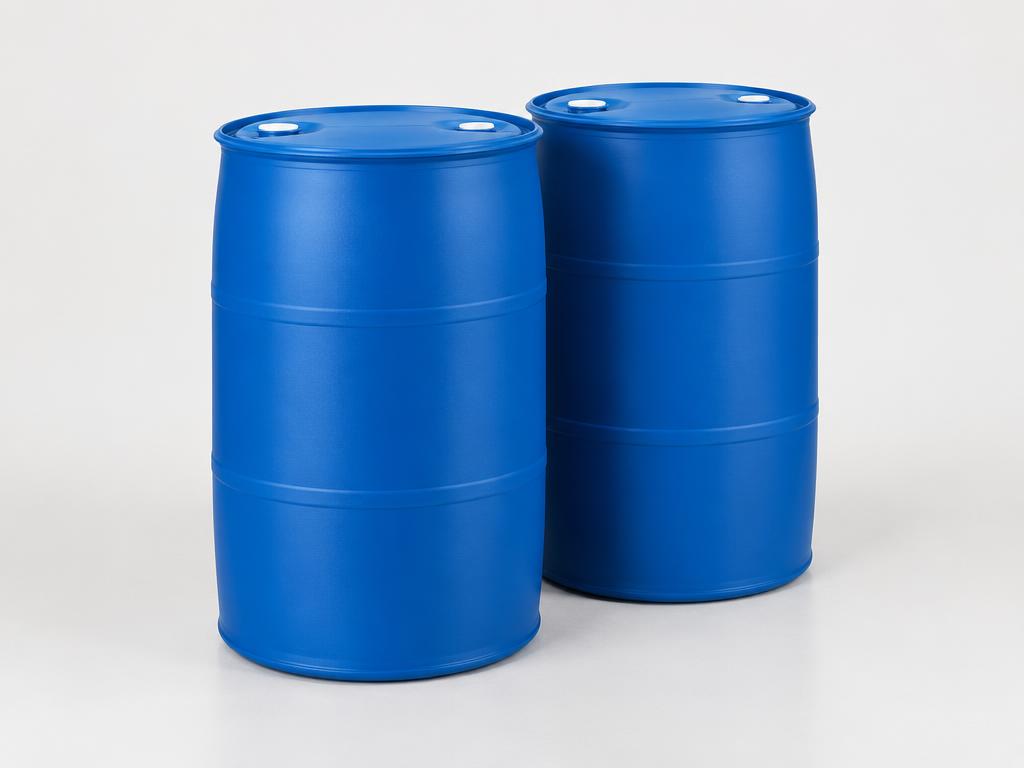
Fragrance ethanol is commonly supplied in HDPE barrels or drums, with bulk tanker movement for larger, recurring volumes where the buyer can receive bulk. Clean, sealed and correctly labelled containers matter because contamination can affect odour. See barrels vs bulk tanker supply for how to choose a format.
Multi-barrel requirements and bulk supply considerations
- Agree the approved specification and reference sample before scaling up
- For repeat procurement, ask how subsequent lots will be evaluated against the buyer's approved specification or reference requirements
- Plan monthly volumes so availability can be confirmed in advance
- Confirm documentation (COA, Safety Data Sheet, invoice) accompanies each dispatch
Information to provide when requesting a quotation
- Grade or specification (e.g. ENA, 99.9%, denatured)
- Required strength and denaturant requirement, if any
- Quantity per order and monthly requirement
- Packaging preference
- Delivery city
- End application (fine fragrance, deodorant, body mist, etc.)
This guide is general procurement information from Krivaana Industries LLP, an ethanol supplier. It is not a regulatory, laboratory or legal opinion. Applicable requirements should be confirmed for the specific grade, use and destination.